
Beauty Trends Reveal How an Economic Downturn Arises
3 min read
Recently, The White House's Facebook account posted that the United States, under the administration of President Trump, added 130,000 job openings last January and that the consumer price index inflation rate fell by 2.4% during his term in office. However, many Americans appear skeptical of these figures. One user named Terri DeWees left a comment saying, ‘Magic numbers.’
In the beauty world, which is widely loved by women, indications that a country is experiencing an economic crisis can be seen through the beauty trends happening at the time. Here are several things you need to pay attention to in the beauty world when a recession occurs:
1. Beauty Trends Shift Back to the 90s Era
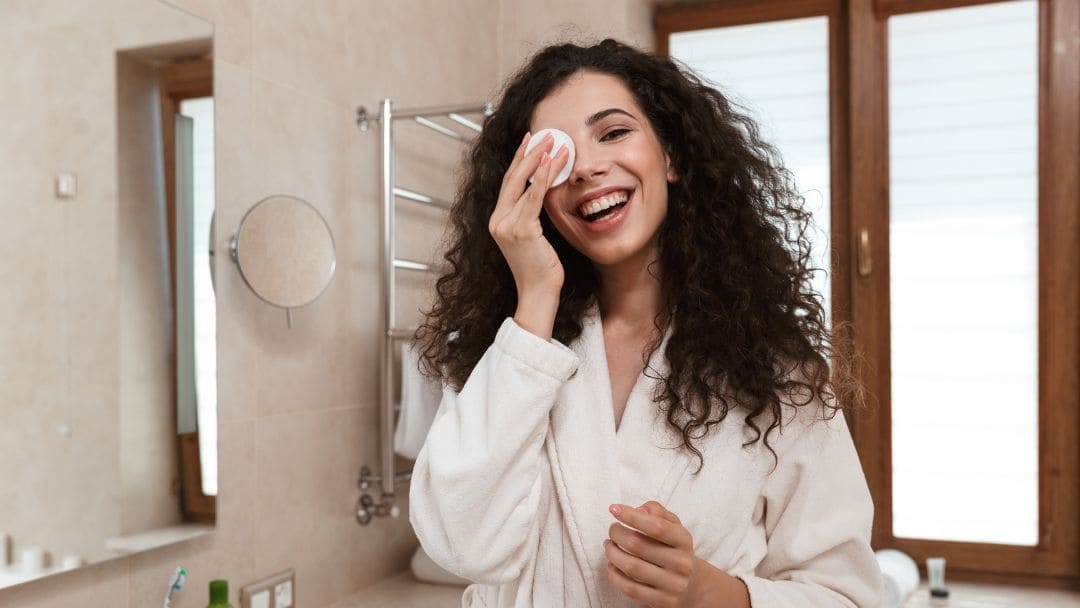
One subtle but clear sign that a recession may be approaching is the return of 90s beauty trends. People begin to reduce their use of makeup and skincare, focusing more on a natural look, now referred to as skinimalism. According to Mustela, a skincare brand, this means buying less, using less, and embracing your natural skin. When finances feel tight, many women prefer simple and affordable products over luxury ones. In the UK alone, sales of basic skincare products such as facial cleansers, exfoliators, and moisturizers increased threefold during the COVID-19 pandemic in 2020.
2. The Rise in Lipstick Sales (The Lipstick Effect)
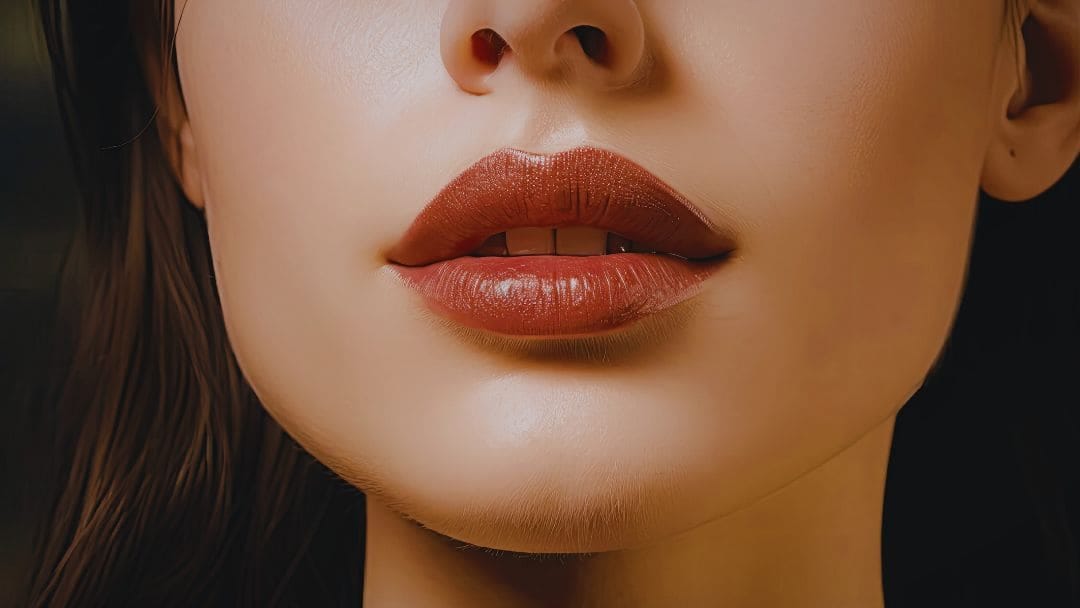
Lipsticks and nail polish often experience a surge in popularity during difficult times. Lipstick is considered an affordable luxury makeup item that helps maintain a sense of normalcy and boosts users’ morale. Leonard Lauder, chairman of the Estée Lauder company, noticed that his company sold more lipstick than usual in 2001 during the 9/11 attacks and named this phenomenon the Lipstick Effect.
On the other hand, there was also a surge in purchases of nail polish products. This occurred because, compared to getting expensive nail treatments at nail salons, nail polish was a cheaper and more accessible alternative for people during times of economic hardship.
3. The Recession Blonde
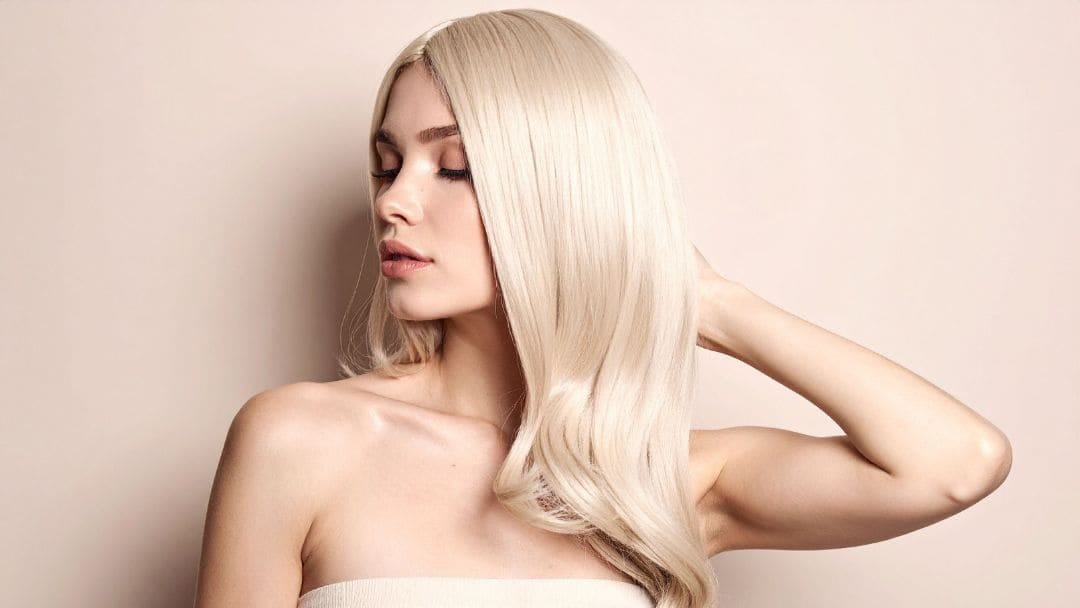
Hair color choices also shift. More people move away from blonde hair and return to darker and more natural hair colors. This trend is often referred to as “The Recession Blonde.” People dye their dark hair blonde because blonde hair is believed to convey the image of old money. However, blonde hair can be expensive to maintain because it requires frequent salon visits for root bleaching, and this treatment typically costs between $100 and $300+ per session for a standard touch-up.
4. More People Choose to Grow Their Hair Longer
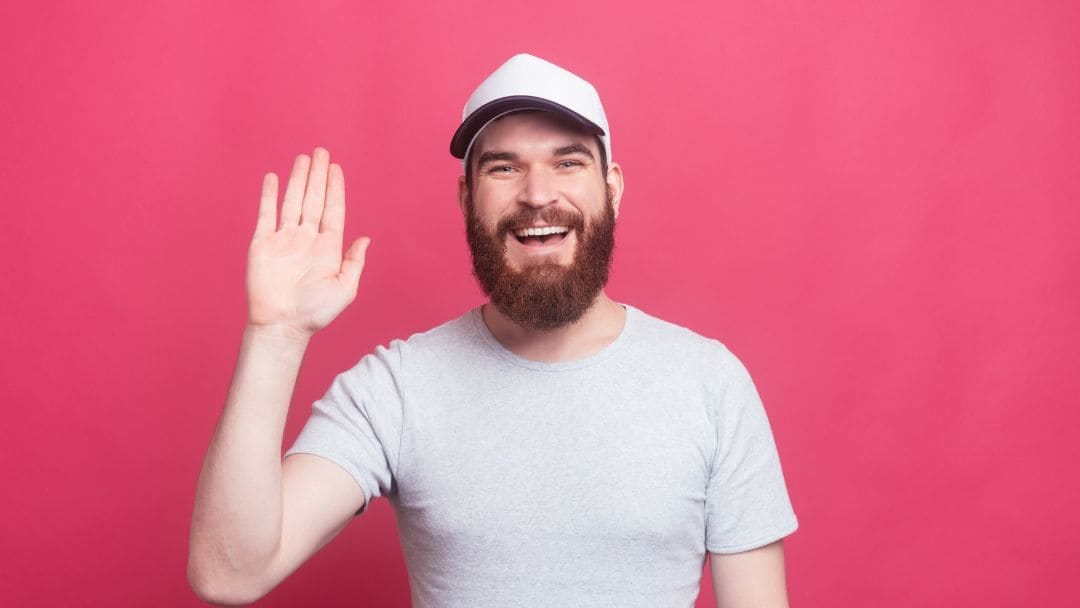
Long hairstyles also become more popular because short haircuts require regular trimming and styling, which can be costly. Even men change their grooming habits. During difficult times, many grow beards. Researcher Rob Brooks suggests that this may be a response to job losses. Facial hair can become a way for men to express strength and confidence when employment is uncertain.
So, if you notice one or two of these phenomena around you, be prepared, because they could be subtle signals that a recession is near or already here.
Latest articles

Company
Resources
Contact